The robot succeeded.
The contract failed.
What we measured in one day: a robot that was wrong while every light was green, a verifier that certified four fabrications, and a build cache that only pays off when you throw your workspace away.
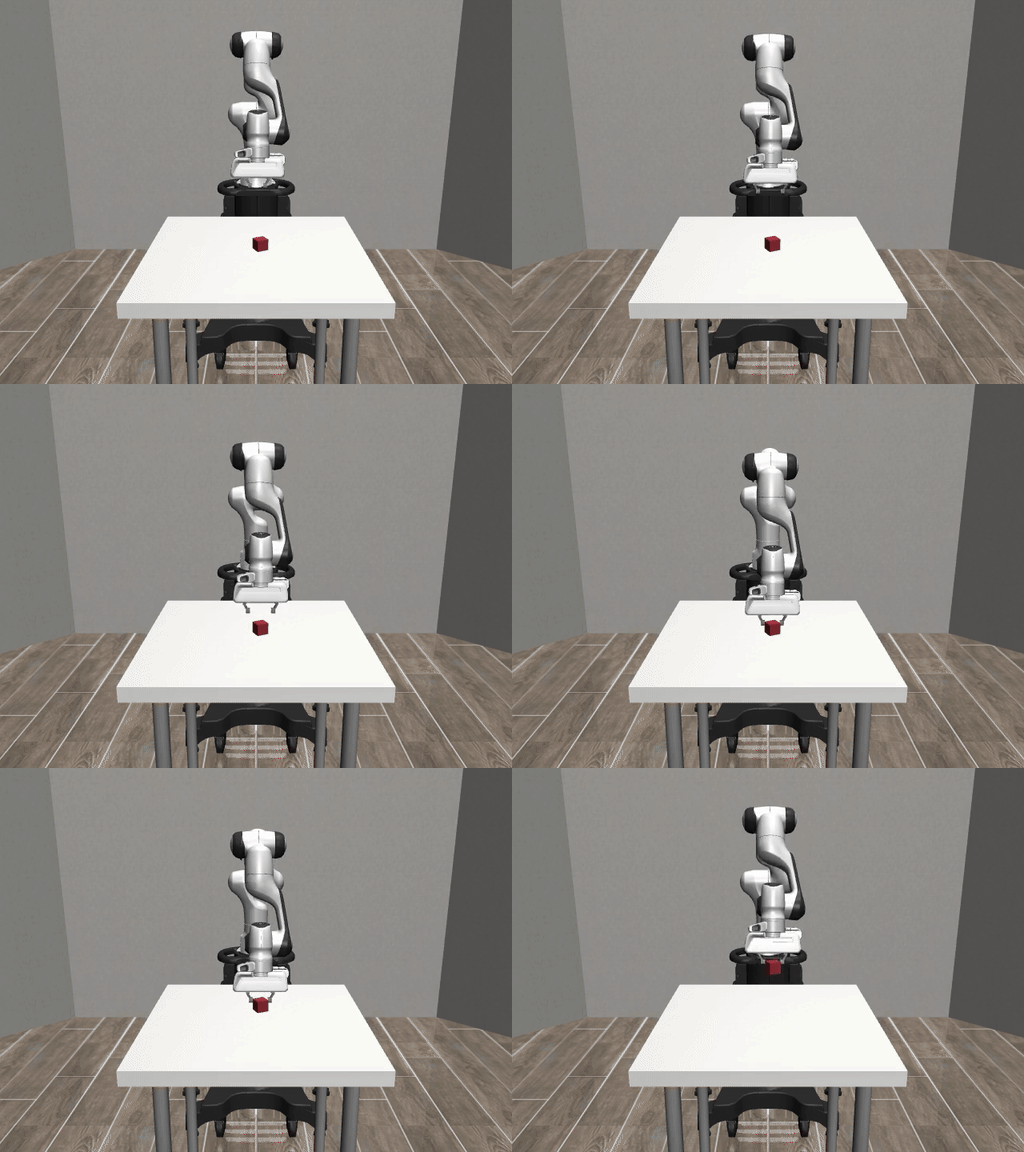
success=true · rejections=[]The contract says FAIL.
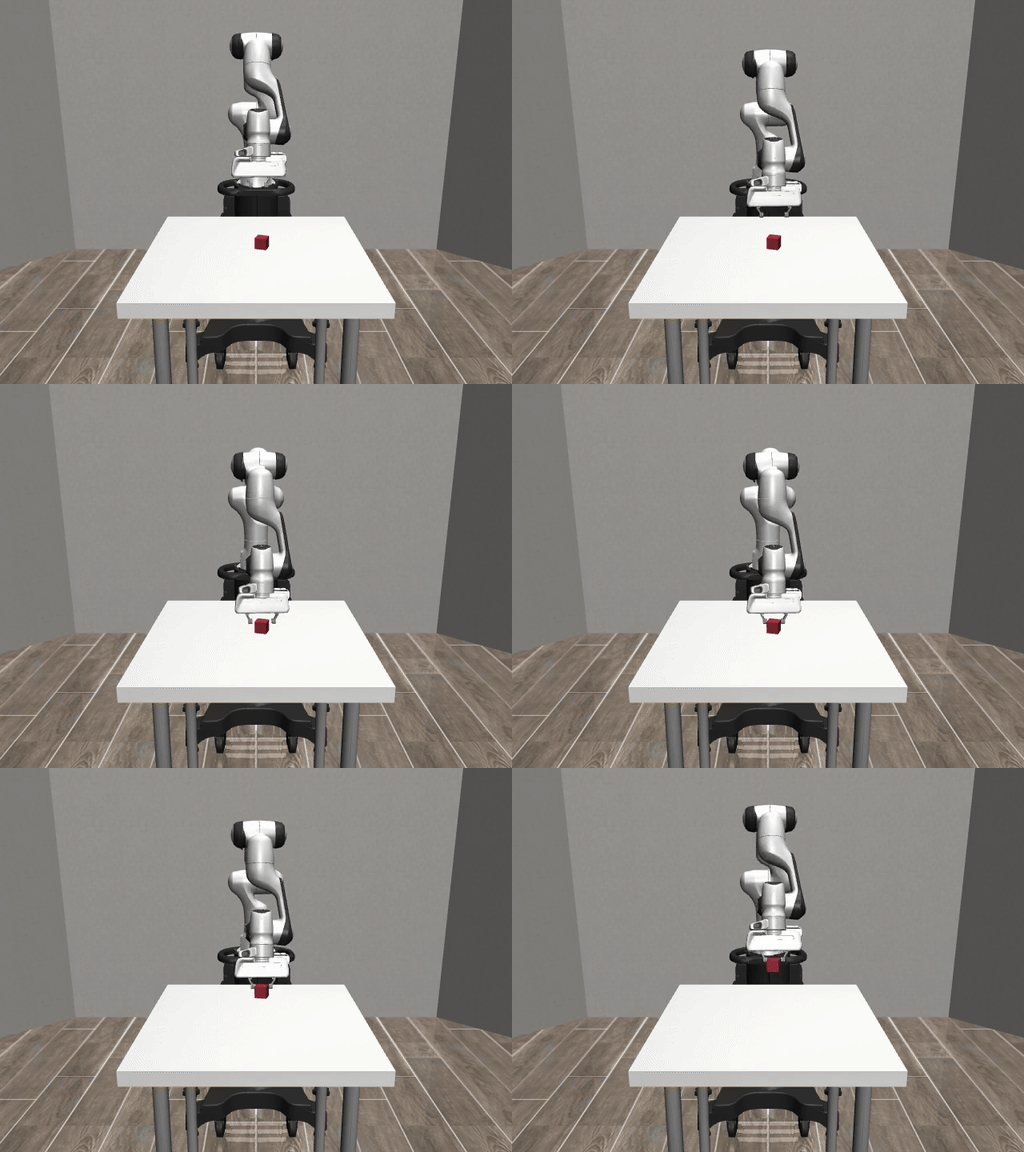
Indistinguishable from the outside.
(20 ms each)
verifier certified
empty workspace
the rebuild loop
1 · The bug is one line
The safety gate's third rule: an observation older than the bound must never authorize motion. Here is the shipped implementation of that rule.
let _ = (age_ms, policy);
The age arrives and is thrown away. It silences an unused-variable warning. Three contract tests catch it — written by the same person, the same afternoon, who wrote the omission.
2 · So we built a proof gate. It lied. Four times.
| what it checked | what it printed |
|---|---|
| a boolean the producer had just written | ratio=2.999x |
| that a digest was 64 hex characters — never opened the file | ratio=11.948x |
| ten real transcripts wrapped around a no-op script | ratio=119.949x |
| seventeen scenarios at 0/50/600 ms against a 250 ms bound | "complete coverage" |
Forty-two guard tests later, twelve forgery classes are closed. One is still open, and the tool prints it in its own output.
3 · Then we did it to ourselves
We published "distributed builds are 2× slower" — then found the benchmark passed
--force-remote, which idled four local cores. And a beautiful 87% parallel
efficiency figure that divided one machine's CPU-seconds by another machine's wall time.
It felt like insight. That is what a claim you authored feels like from the inside.
4 · What the build cache actually does
| your situation | plain cargo | Build Cache | |
|---|---|---|---|
| empty workspace — a fork, a CI runner, an agent loop | 11,515 ms | 3,706 ms | 3.13× faster |
| warm workspace — you, rebuilding | 939 ms | 4,048 ms | cargo wins |
HIT 52 / MISS 0 · 9 tasks of 58 · helpers 0
The cache does not make your build faster.
It makes throwing your workspace away cheap.
Which is exactly what an agent loop does — a clean box per candidate, so no candidate inherits the last one's state. That isolation costs a cold build every time. This is the bill, and the cache is how you stop paying it twice.
5 · Rust is where the rule actually lives
We ported the same contract onto a walking robot with a 50 Hz loop, and enforced it with types instead of vigilance:
Sensors.observed_at | private — Instant::now() is the only constructor, so a backend carries a stamp but cannot write one |
ObservationAge | no Default, no public field — one way in |
Safety::apply(.., age) | by value: a dispatch site with no observation does not compile |
"I checked the age" stops being a claim a caller can make. The bound is arithmetic too — 80 ms is four control periods at 50 Hz, not a number someone picked.
Seeded, at 100 ms stale: 0 of 273 ticks refuse, the robot ends on its side — and its own odometry reports 0.67 m of forward travel. Repaired: 266 of 266 refuse, upright, and it still walks the same distance when nothing is wrong. The gate is free.
The point
A check wins against exactly the adversary who does not control its input.
The type system works because the next contributor cannot author rustc. Our
verifier failed because its adversary was us. And a cache hit is trustworthy for the same reason
a wall-clock is not: you cannot author a cache hit — the key is computed from
input content by something that is not you.
A robot's odometry saying it travelled 0.67 m while lying on its side, and cargo's timestamp fingerprint saying "nothing to do" when the source changed, are the same bug: a cheap, fast, self-reported signal that is confidently wrong.
Every number measured 2026-09-24, one machine per comparison, n=5 with rotating order. 452 evidence files are committed, so a clone re-derives all of it. Three numbers here replaced numbers we withdrew.
All measurements, with charts · The full talk · The deck · Home
No distribution speedup is claimed — that result was negative and is published. Cross-machine cache sharing is not demonstrated. No footage exists of the walking robot; capturing it needs a pipeline we did not build.